Cat Cafes in Tokyo by Neighborhood: Where to Go in 2026
Tokyo is where the cat café went mainstream. The idea started in Taiwan, but Japan turned it into an everyday pastime, and the capital now has more cat cafés than any other city we cover. That choice is also the problem: tourist lists are full of places that closed years ago, and the cafés you pass in Shibuya or Akihabara work very differently from the quiet rescue cafés tucked away in residential streets.
This guide is organized by neighborhood, so you can pick a café near where you are staying or sightseeing. We checked every café below in October 2026, and you can browse all of them on our Tokyo cat café map.
Two Kinds of Tokyo Cat Café
Most Tokyo cat cafés fall into one of two groups, and knowing which you are walking into saves disappointment.
Chain cafés such as MOCHA and MOFF are the big, bright places near major stations. They keep resident purebred cats (Munchkins, Scottish Folds, Ragdolls, Maine Coons), take walk-ins, include unlimited drinks, and usually charge by the 10 minutes. They are easy for first-time visitors and rarely need a booking, but they can be busy, and the cats are often asleep by afternoon.
Rescue cafés (保護猫カフェ, hogo-neko café) are smaller, often family-run, and every cat is waiting for adoption. They usually charge by the hour, may ask you to book or wear socks, and some only open a few days a week. Adoption is generally limited to residents of Japan, but visiting helps pay for the cats’ care, and the atmosphere is calmer.
A few practical habits apply almost everywhere. Expect to take your shoes off and wash or sanitize your hands at the door, never pick cats up unless staff say you can, and do not use flash photography. Many cafés set a minimum age, and some of the most popular lounges only admit guests aged 13 and over. Small rescue cafés are often cash only.
Tokyo Cat Cafés at a Glance
Neighborhood | Easy walk-in | Rescue café |
|---|---|---|
Shinjuku | MOCHA Lounge Shinjuku | BAKENEKO Cafe, Nyanchu~ru |
Shibuya & Harajuku | MOCHA, MOFF Harajuku | Catio |
Ikebukuro | MOCHA Ikebukuro | Neco Republic, Kaname Nyanko-tei |
Akihabara | MOFF Yodobashi Akiba, MOCHA | Neco Republic Ochanomizu |
Asakusa, Ueno & Yanaka | Nekomaru Café Ueno | Yadorigi Cafe, Asakusa Neko-en |
Kichijoji | Temari no Ouchi, MOCHA | Calico Kichijoji |
Shimokitazawa | Cateriam | Koma Neko |
Prices below include tax and were checked in October 2026. Chains in particular adjust prices every year or two, so check the café’s own site before you go.
Shinjuku
Shinjuku’s main chain option is Cat Cafe MOCHA Lounge Shinjuku, two minutes from the station’s southeast exit and one of the biggest cat cafés in the city, with more than 40 resident cats. It charges ¥297 per 10 minutes on weekdays and ¥385 at weekends, capped at ¥3,960 and ¥4,620 for the day, with unlimited drinks. Like the other MOCHA “Lounge” branches it only admits guests aged 13 and over, and you cannot book, so arrive early on weekends.
For something calmer, head a few stops north. BAKENEKO Cafe near Nishi-Waseda is a rescue café with more than 2,000 manga and books, charging ¥1,500 for an hour (students get 20% off); it closes Mondays and Wednesdays and reopened on 4 October 2026 after a short closure to treat an illness among the cats. Nyankoto in Takadanobaba is not a rescue, but it is unusually easy for visitors, with English cat profile cards and an English booking form; an hour costs ¥1,500 with a drink. Near Shin-Okubo, Nyanchu~ru is a rescue café open until 10pm, charging ¥500 to enter plus ¥500 per 30 minutes.
Shibuya and Harajuku
 Courtesy of catmocha.jp
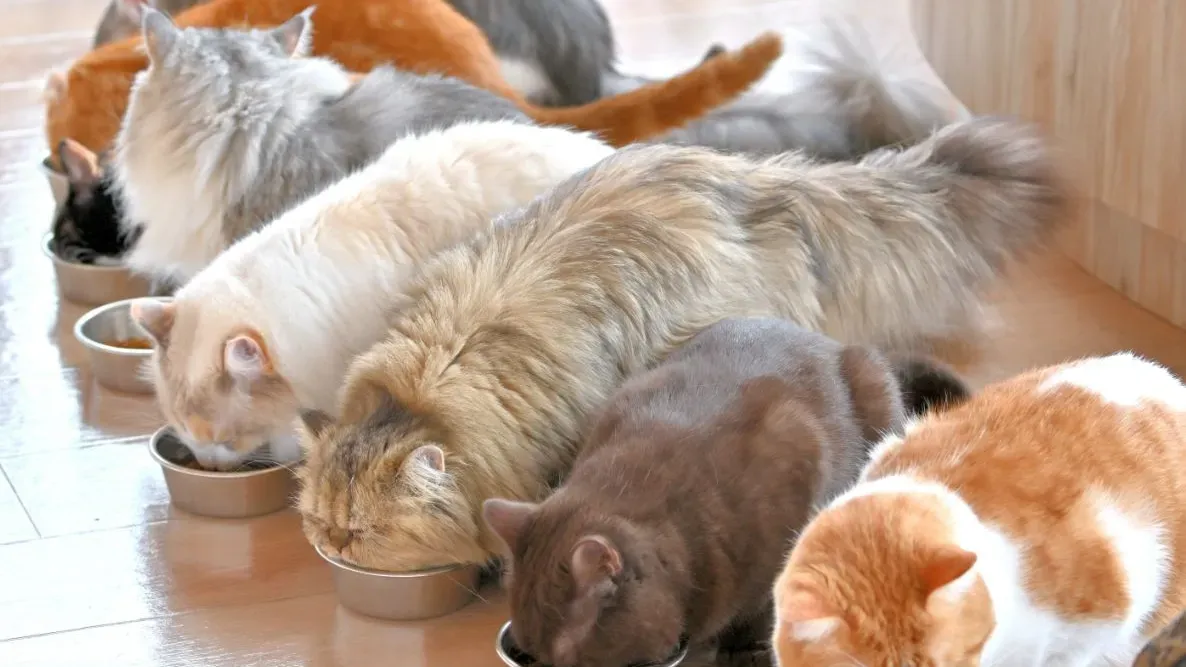
Shibuya and Harajuku have the densest cluster of chain cafés. MOCHA Shibuya on Center-gai, five minutes from the Hachiko exit, charges ¥297 per 10 minutes on weekdays and admits ages 3 and up, while MOCHA Lounge Shibuya Koen-dori has massage chairs, board games and around 26 cats for guests 13 and over; it is one of the best-reviewed MOCHAs. Right in front of Harajuku station, MOCHA Harajuku costs a little more at ¥330 per 10 minutes on weekdays.
On Takeshita-dori, MOFF Harajuku offers a simpler deal: ¥2,000 for an hour with free drinks and latte art, then ¥250 per 10 minutes, with 24 resident purebreds. Also on Takeshita-dori, Capyneko Harajuku adds capybaras to the cats for ¥3,850 per 40-minute session; book through its English-language site, as walk-ins only get in when there is space. For a rescue café, Catio near Yoyogi-koen station charges ¥1,500 an hour including treats and a bottled drink for guests aged 10 and up, and opens in the afternoons only, Wednesday to Sunday.
Ikebukuro
Ikebukuro has some of Tokyo’s best rescue cafés as well as two MOCHAs. Neco Republic Tokyo Ikebukuro, five minutes from the west exit, belongs to a nationwide rescue network and is open until 10pm; 60 minutes costs ¥1,760 on weekdays and ¥1,980 at weekends, and it closes on Thursdays. Kaname Nyanko-tei, a little further west towards Kanamecho, is rated 4.7 by visitors, includes unlimited drinks (an hour is ¥1,500 on weekdays), and charges children half price.
If you want the cats to yourself, MAOMAO near Sunshine City books one group at a time into a private room with Maine Coons and Ragdolls, from ¥2,000 per person per hour for two or more people, ages 5 and up. For a very different experience, the Tokyo Cat Guardian shelter one stop away at Otsuka houses around 100 adoptable cats and asks for a donation rather than an entry fee; bring ID. Chain fans can choose between MOCHA Ikebukuro by the west exit (ages 6 and up) and MOCHA Lounge Ikebukuro East (13 and up), where reviewers mention English-speaking staff.
Akihabara and Ochanomizu
The easiest stop in Akihabara is MOFF Yodobashi Akiba, inside the Yodobashi Camera building and directly connected to the station. It has room for families, charges ¥2,000 for the first hour with free drinks, and keeps around 20 purebreds including Munchkins. MOCHA Akihabara, five minutes from the Electric Town exit, is one of the chain’s busiest branches at ¥330 per 10 minutes on weekdays.
Near Suehirocho station, Neko JaLaLa is a small, quiet café known for its Maine Coons and long-haired cats, with an English menu and colored collars marking cats that prefer space. Weekdays cost ¥750 per 30 minutes plus a drink, and it is cash only; follow its X account, as its old website no longer works. A short walk west, Neco Republic Tokyo Ochanomizu is the area’s rescue option, priced the same as its Ikebukuro sister and closed on Thursdays.
Asakusa, Ueno and Yanaka
 Courtesy of @yadorigi_caferestaurant on Instagram
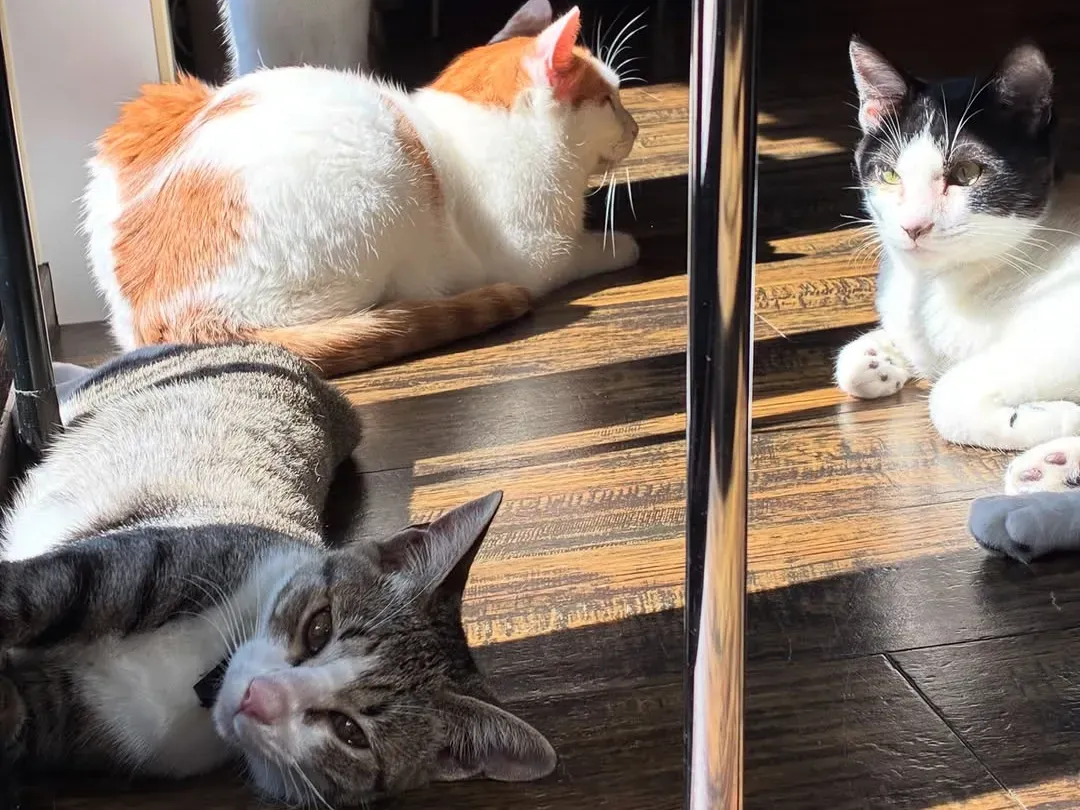
The old east side has the best spread of independent cafés. In Yanaka, Yadorigi Cafe is one of the most loved cat cafés in Tokyo, with more than 3,000 reviews averaging 4.9. It is a rescue café and restaurant where you order a set (an hour with a drink is around ¥1,200), there is an English menu, and it is cash only. Book ahead, especially at weekends, as walk-ins get no food, and note that it closes Mondays and Tuesdays. Sendagi and Nippori stations are both under ten minutes away, which makes it an easy pairing with an afternoon in Yanaka Ginza.
 Courtesy of calaugh.com
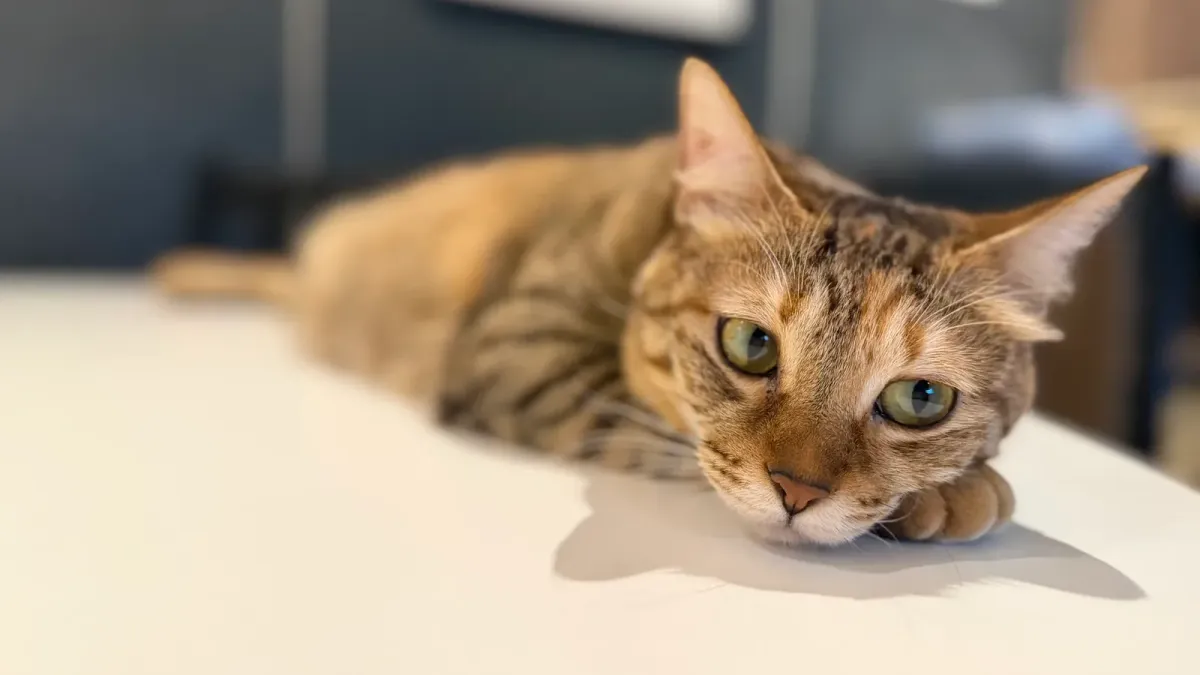
In Asakusa, Calaugh Cafe sits a minute from Asakusa station and three from the Kaminarimon gate. Its 11 cats came from a shelter, an hour costs ¥1,500 with a drink, and the buckwheat crêpes get almost as many mentions as the cats; it is closed Mondays. Asakusa Neko-en, which recently moved to Hanakawado near Senso-ji, is a cheap and homely rescue café full of senior cats, at ¥1,000 for the first hour (ages 3 and up, closed Tuesdays). Cat Café Monta nearby is calm and stylish, with resident cats that model for TV, for ages 12 and up; it is cash only and closed Tuesdays.
By Ueno station’s Asakusa exit, Nekomaru Café Ueno mixes purebreds and rescues, welcomes all ages (under-16s with an adult), and serves proper meals; an hour is ¥1,700 on weekdays.
Kichijoji
Kichijoji, 15 minutes from Shinjuku on the Chuo Line, is a favorite with locals and has a café for every taste. Temari no Ouchi is designed like a storybook forest, with resident purebreds and a day pass with no time limit (¥1,540 on weekdays and ¥1,980 at weekends for adults, less for children), and its sister café Temari no Oshiro takes the same idea to a fairy-tale castle, with online booking up to a month ahead. MOCHA Kichijoji is the best-reviewed branch of the chain we checked, with self check-in, board games and manga.
Capy Neko Cafe Kichijoji is the cheaper capybara option at ¥2,800 for 40 minutes, and reservations are required. Cat Cafe Calico Kichijoji, two minutes from the station, relaunched as a rescue café and has more than 25 cats; its old website is offline, so check Google Maps for current hours.
Shimokitazawa and Setagaya
Cateriam is a minute from Shimokitazawa’s west exit on the Keio Inokashira Line, above a convenience store. Its 14 cats are mostly rescued mixed breeds, an hour costs ¥1,200 with a drink, and it serves beer and scones; children under five are not admitted, and it is cash only and closed Mondays. Further south, Koma Neko overlooks Komazawa Park and is an adoption café run with the Little Cats rescue, at ¥1,300 for the first hour (closed Wednesdays, cash only). Nekochaya, a homely café in a Komazawa house, now opens on Sundays only.
Quieter Rescue Cafés Further Out
If you are happy to ride a little further, these neighborhood rescue cafés are among the most highly rated in the city:
- Miagolare, Shin-Nakano. About 15 cats rescued from Yamanashi, ¥1,400 an hour with free drinks, an English page and an owner who welcomes visitors from abroad. Third floor with no elevator; closed Thursdays.
- Cat Cafe Tamayura, Ningyocho. An adoption café a minute from Ningyocho station, ¥1,500 an hour, walk-in on weekdays. Closed Mondays.
- Necot, Kasai. Around 40 rescue cats, many of them seniors, living in a house near Kasai station. Book ahead; open Thursday to Sunday.
- Meooow, Togoshi-ginza. A relaxed rescue café at ¥1,000 an hour, near one of Tokyo’s longest shopping streets. Book at weekends.
- Cat Living, Toritsu-daigaku. A calm adoption salon 30 seconds from the station, open Friday to Sunday by phone reservation only.
- Yahoneko, Kunitachi. About 30 cats, many older, with English and Chinese websites, free drink refills and manga.
- Nekonomise, Machida. Running for 21 years, with a wall of manga, a kotatsu table and a full English site.
Closed Tokyo Cat Cafés
Several famous names still appear in older guides and AI-written lists but have closed:
- Cat Cafe Calico Shinjuku in Kabukicho closed in October 2020 and never reopened in Shinjuku. The Kichijoji branch above is still open.
- Neco Republic Tokyo Yanaka closed on 30 September 2025. The Ikebukuro and Ochanomizu branches are open.
- Neko Zanmai in Asakusa, Cafe 299 and Nekorobi in the Ikebukuro area, and machineko in Kanda have all closed permanently.
Wherever you end up, a Tokyo cat café is one of the city’s most relaxing hours. If you are new to the idea, our guide to what a cat café is covers the etiquette in more detail.