A cat café is a café, or a lounge attached to one, where you pay to spend time with cats who live there. In North America, the UK and Australia the cats are usually rescues waiting for adoption, and your entry fee helps pay for their care. In Japan and much of East Asia they are more often resident cats, some of them pedigrees, that stay at the café for life. Either way, the cats are the reason to go. The coffee is a bonus.
There are now more than 3,900 cat cafés on our map, in about 100 countries. This guide covers how a visit works, what it costs, the main kinds of cat café, the rules you’ll be asked to follow, adopting, and how to tell whether a café looks after its cats well. The percentages below come from the cafés’ own websites, collected for our cat café statistics.
Where Cat Cafés Came From
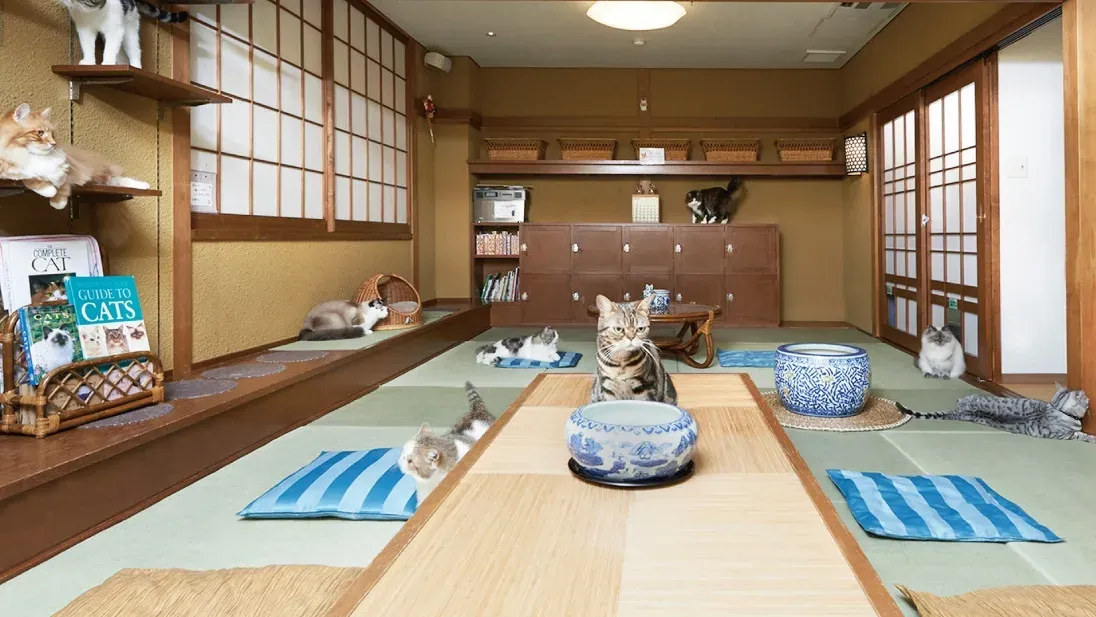 Neko no Jikan in Osaka, Japan’s first cat café (photo courtesy of the café)
The first cat café opened in Taipei in 1998, and it is still running across the road from Zhishan MRT station. Japan turned the idea into a national pastime, starting with Neko no Jikan in Osaka in 2004, and Japan still has more cat cafés than any other country. Europe’s first opened in Vienna in 2012, and in 2014 the idea reached North America and Australia, where cafés began working with shelters to rehome their cats. Our short history of cat cafés tells the full story.
How a Visit Works
Most cat cafés charge for your time with the cats. Of the cafés whose websites explain how visits are charged, 87% charge an entry or time-based fee, 8% ask you to buy food or a drink instead, and 5% are free. A session usually lasts between 30 minutes and an hour, and many cafés sell longer passes.
Booking is common. Of the cafés that state a policy, 47% recommend a reservation, 24% require one and 29% simply welcome walk-ins. Popular cafés sell out at weekends, so book if you can.
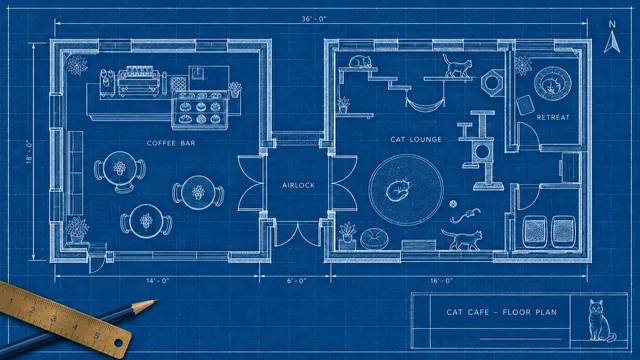
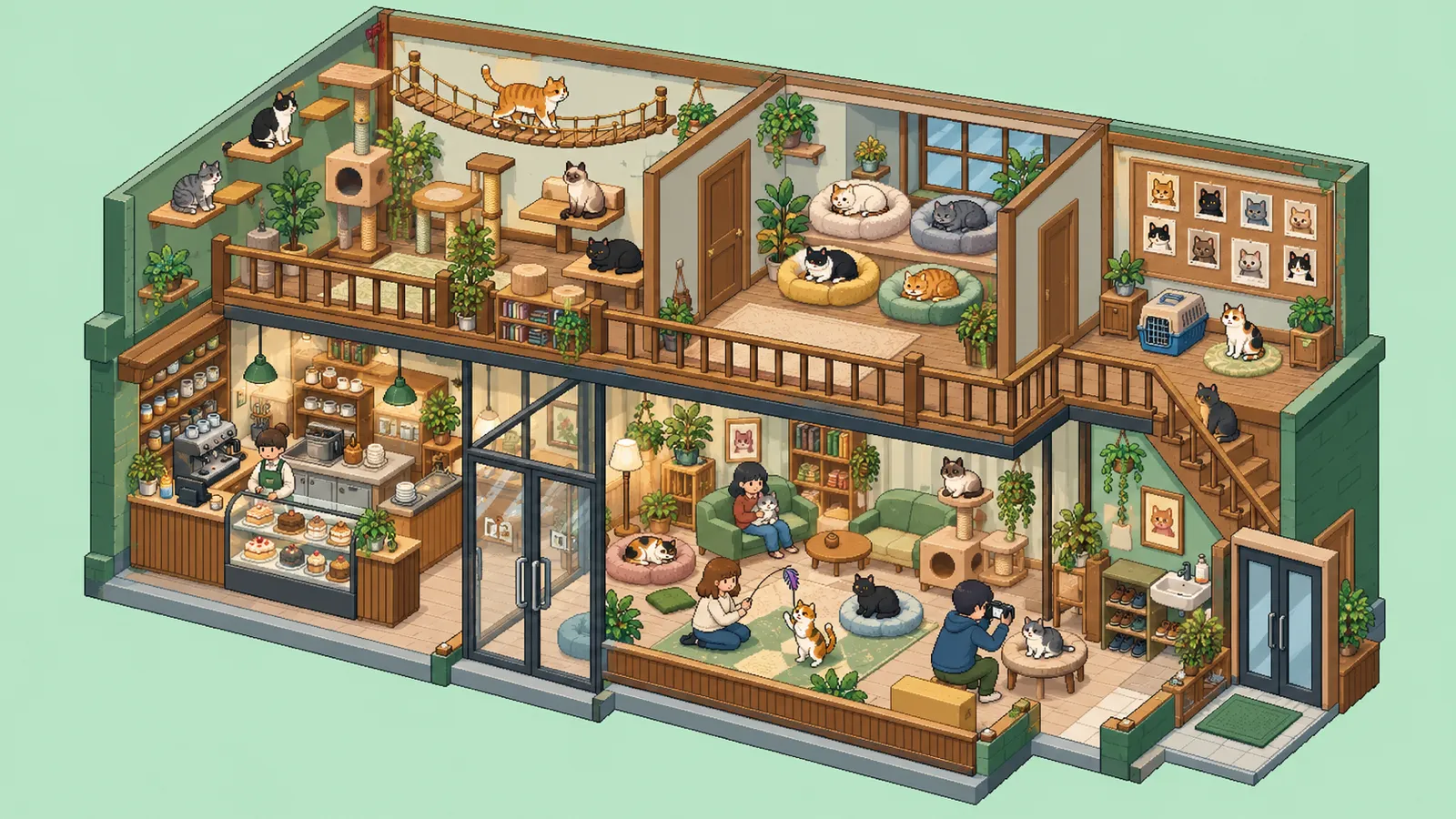
At the door you’ll wash or sanitise your hands, and in Japan, South Korea and Taiwan you’ll usually take off your shoes as well. Staff go through the house rules, and then you’re free to sit, play and watch. Many cafés keep the cats and the kitchen in separate rooms. In the US, state food codes based on the FDA’s model Food Code don’t allow animals where food is made or served, so the cats live in a walled-off cat lounge next to the café counter. That’s why many American cat cafés call themselves cat lounges.
Most cat cafés keep the menu simple: 72% of those that describe their food serve only drinks and snacks, and 25% serve full meals.
What It Costs
Prices depend mostly on the country:
- United States: usually $10 to $25 for 30 minutes to an hour. In New York, Brooklyn Cat Cafe charges $15 for 30 minutes, and at Denver Cat Company one flat fee buys an open-ended visit when it isn’t busy. Our guides to New York, Chicago, Denver, Austin, Orlando and California list prices café by café.
- United Kingdom: from about £5 to £18 a person. Several London cafés charge from £16.99 for 55 minutes. See our UK guide and London guide.
- Japan: about ¥1,000 to ¥2,000 an hour at rescue cafés. Chains charge ¥1,000 to ¥1,500 for the first 30 minutes and then by the 10 minutes, usually with drinks included. See our Japan guide and Tokyo guide.
If you fall for a cat at an adoption café, the adoption fee is set by the partner rescue, and in the US it is usually $100 to $200.
Types of Cat Café
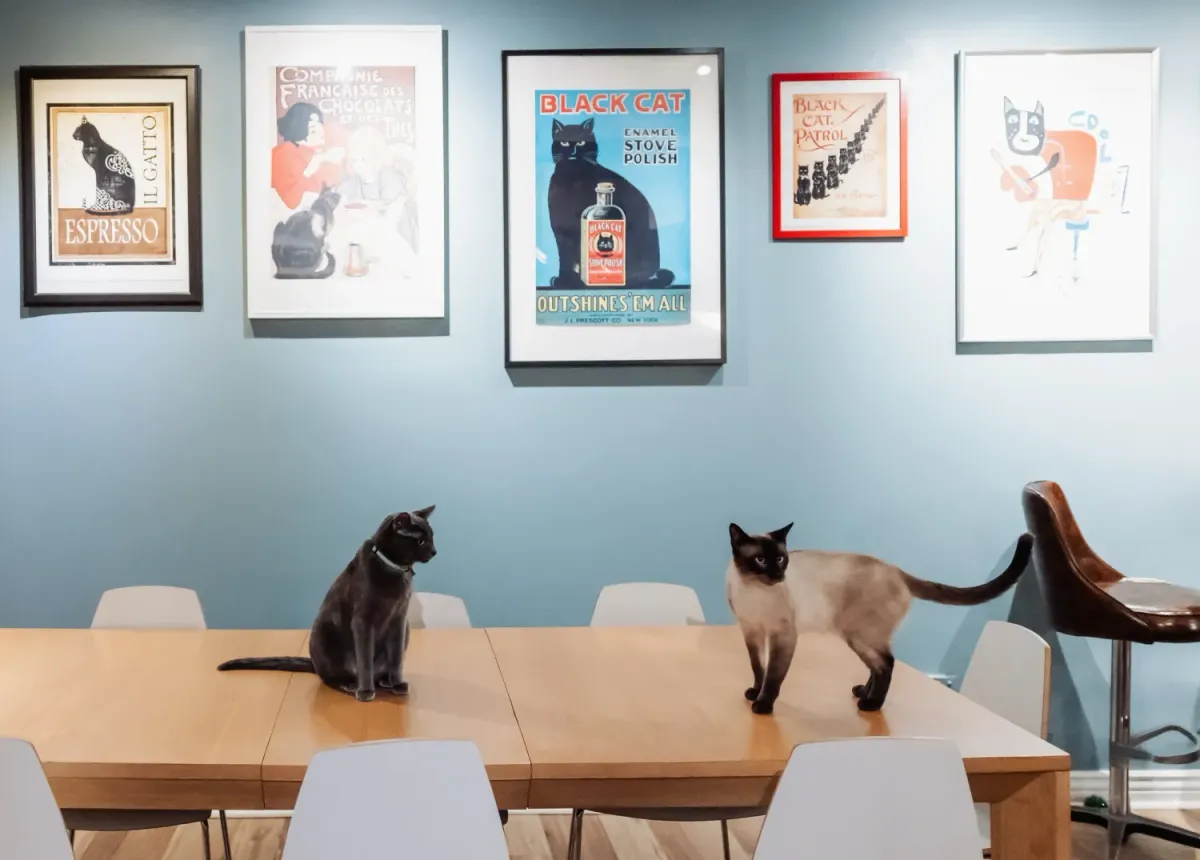 Courtesy of Kalen Jesse Photography Co. via denvercatco.com
Adoption cafés work with a shelter or rescue group. The cats are up for adoption, the rescue usually pays their vet bills and approves adopters, and the café runs the lounge and the coffee bar. This is the usual model in North America, the UK and Australia, and at least 41% of the cafés on our map offer their cats for adoption. Some have rehomed thousands: Purrfect Day Café in Louisville, which works with the Kentucky Humane Society, passed 10,000 adoptions in 2024. Some, like Cat Town in Oakland, are rescues themselves and take the cats least likely to be adopted from the city shelter.
Resident-cat cafés keep the same cats for life. That’s the original model, from Taipei and Osaka, and it is still the most common in Asia and much of Europe. Kissakahvila Purnauskis in Tampere, Finland’s first cat café, has more than a dozen resident cats, most of them Finnish house cats.
Pedigree and breeder cafés are built around purebred cats such as Munchkins, Ragdolls, Maine Coons or Sphynxes. Japan’s big chains, like MOCHA and MOFF, keep young purebreds, and some breeder-run cafés also sell kittens on the premises. Our guide to cat cafés with exotic breeds covers the best known.
 Sphynx cats at Cats’ Playground in Seoul
Shelter cafés and visiting rooms are run by the shelter itself, often for a donation instead of a fee, with dozens of cats waiting for homes. Japan’s rescue cafés (hogo-neko cafés) are a large group of their own, from a café in a converted double-decker bus in Nagoya to one for senior cats near Hiroshima.
Animal cafés, common in Japan, mix cats with capybaras, owls, hedgehogs or other animals. Animal welfare researchers have raised concerns about many of them, especially those with wild species, so our Japan guide suggests choosing carefully.
Cat Café Etiquette
The rules are similar almost everywhere, and they exist for the cats:
- Clean hands first. Wash or sanitise them before you go in, and take off your shoes if asked.
- Let the cats come to you. Sit down, offer a hand to sniff and stroke gently. Don’t chase a cat that walks away.
- Don’t pick cats up unless staff say a particular cat likes it.
- Let sleeping cats sleep. Cats nap for much of the day, so a quiet lounge is normal.
- No flash photography, and keep your voice down.
- Only feed what the café sells, and only when staff allow it.
- Leave your own pets at home, and check the age policy before bringing children: 46% of the cafés that state one set a minimum age.
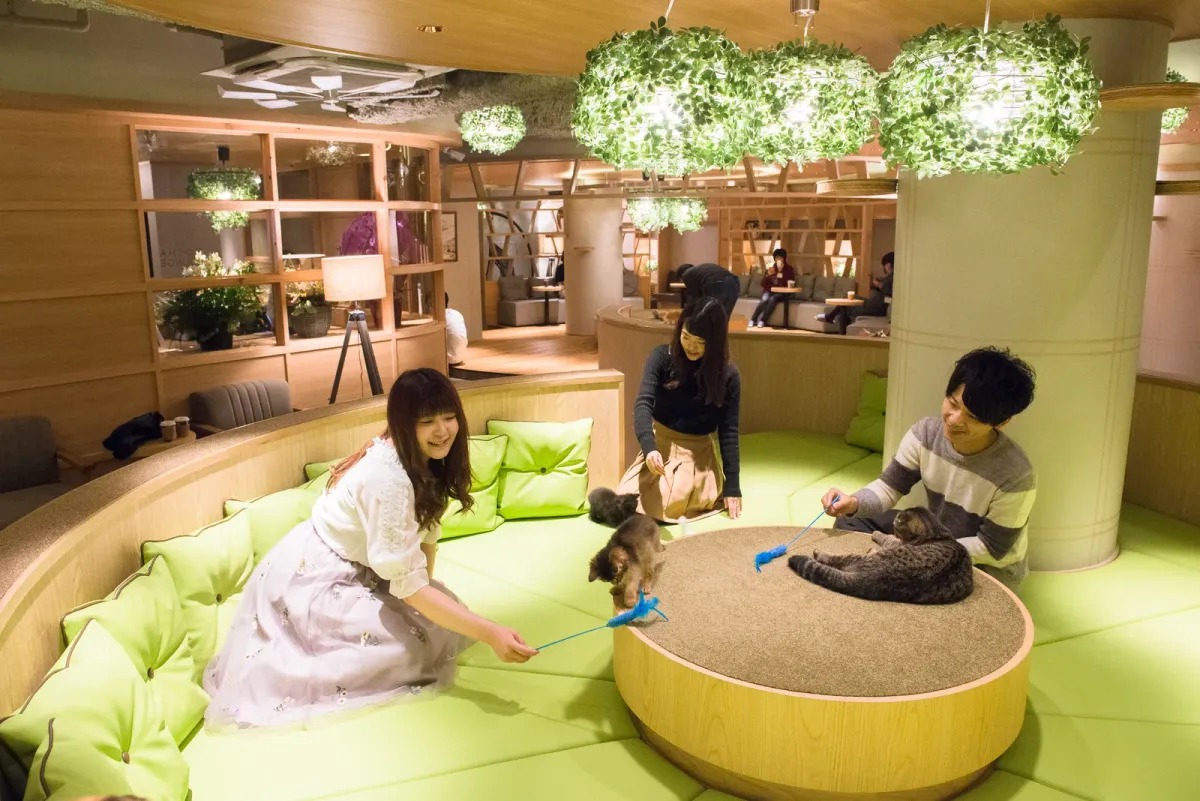 MOCHA Lounge Shinjuku in Tokyo (photo courtesy of Cat Cafe MOCHA)
Are Cat Cafés Good for the Cats?
A well-run cat café can be a good home, and an adoption café gets cats out of shelter cages and in front of people who might adopt them. But cafés vary, and the cats’ comfort depends on how a café is set up. Signs of a good one:
- The cats can always get away from visitors, to high shelves, hiding spots or a staff-only room.
- The café limits how many people are in the room at once, and staff enforce the rules.
- The cats look healthy and relaxed, and new arrivals are kept apart before they meet the group.
- Kittens and cats that cope badly with crowds are not on display.
Japan, the country with the most cat cafés, regulates them as animal businesses. Cats may only be shown to visitors until 10pm, and only adult cats that can retreat to a resting area. Since 2021, national standards have also capped the number of cats per member of staff and set minimum room sizes. In September 2026 Japan’s Ministry of the Environment began its first nationwide survey of animal cafés. Elsewhere, standards depend on the café, so read recent reviews before you go.
Can You Adopt a Cat From a Cat Café?
At an adoption café, yes. You fill in an application with the café’s partner rescue, which may ask for ID, a landlord’s permission if you rent, and sometimes a home visit, and you pay the adoption fee. Some rescues let you take a cat home the same day, while others want a few days to check the match. Adoption is almost always limited to people who live locally, so as a tourist you can visit and help with the fee you pay, but you can’t take a cat home.
Finding a Cat Café
You can browse every café we list on our world map or by country and city, with opening hours, booking details and whether the cats can be adopted. If you’re planning a trip, our city guides compare the cafés in Tokyo, London, New York, Barcelona and Mexico, among others. And if you’d like to run one yourself, start with our guide to opening a cat café.