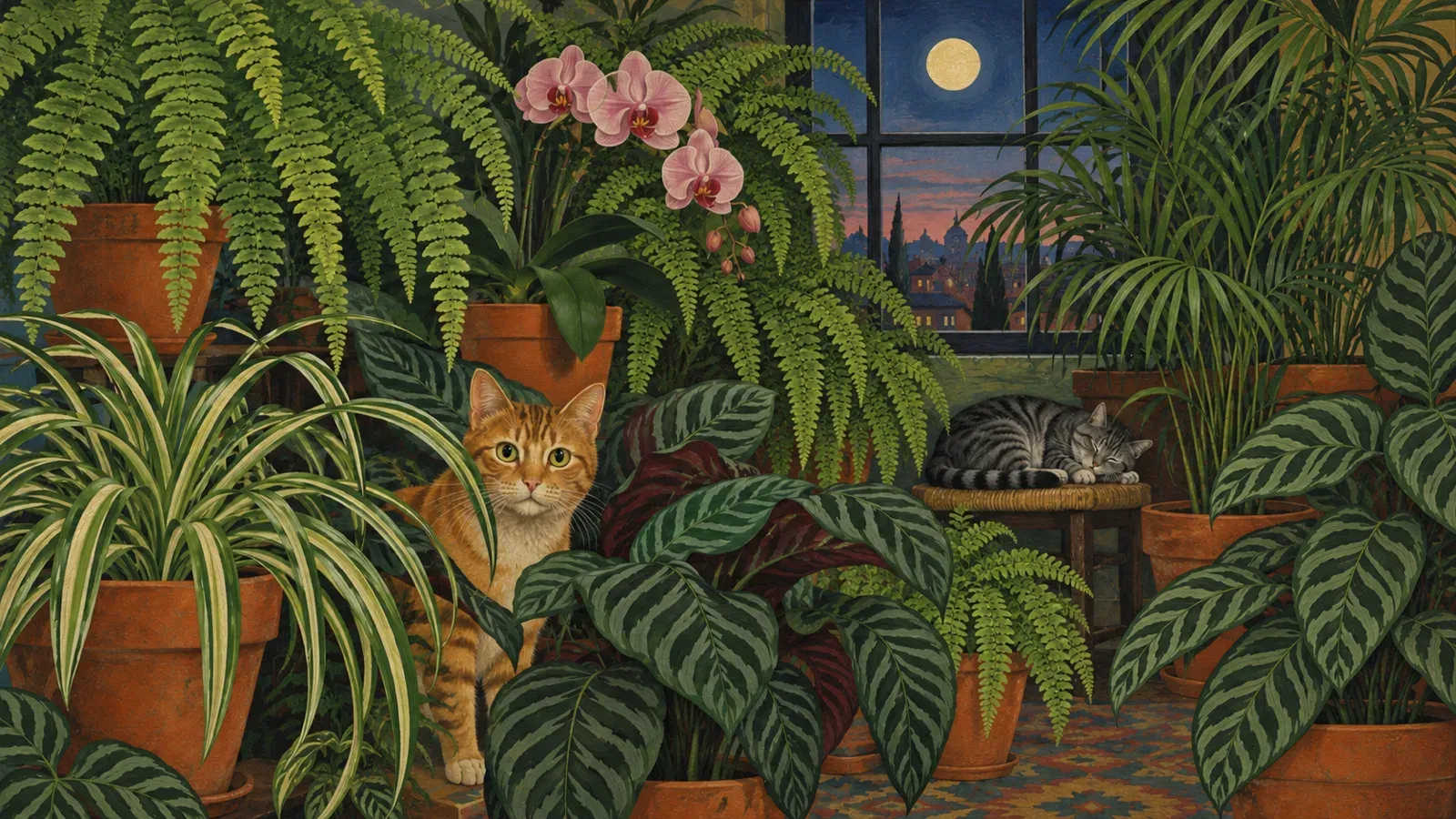
Plenty of houseplants are safe to keep with a cat, including spider plants, Boston ferns, parlor palms, calatheas, peperomias, hoyas, money trees and moth orchids. Plenty aren’t, and a few of the most popular ones, such as pothos, monstera and snake plant, are on the toxic list. Most toxic plants cause a sore mouth or a bad stomach, but some can kill.
The one to remember is lilies. Eating a small piece of a leaf or petal, licking pollen off its fur or drinking the water from the vase can give a cat fatal kidney failure in less than three days, according to the FDA. Don’t bring true lilies or daylilies into a home with a cat, not even in a bouquet. If your cat may have touched one, call a vet now, even if it seems fine.
Search the List
Type a plant’s name below, or filter by status. Plant names link to the source page. The statuses come from the ASPCA’s toxic and non-toxic plant list for cats, which covers nearly 1,000 plants; we’ve picked the ones you’re most likely to find in a shop or a bouquet. Three popular plants the ASPCA doesn’t cover (ZZ plant, fiddle-leaf fig and string of pearls) use the toxin records in NC State’s Plant Toolbox. “Highly toxic” is our own label for plants whose ASPCA or FDA entry lists death, heart failure or organ damage.
Plants shown: 156
- African violetSaintpaulia spp.Non-toxic
- Air plantTillandsia spp.Not on the ASPCA list
- ToxicBurning mouth, drooling
- Aloe veraAloe veraToxicVomiting, stomach upset
- Non-toxic
- ToxicVomiting, stomach upset
- ToxicBurning mouth, drooling
- Non-toxic
- ToxicBurning mouth, drooling
- Asiatic lilyLilium asiaticumHighly toxicKidney failure
- ToxicSkin irritation
- Highly toxicOrgan damage
- Highly toxicHeart problems
- Non-toxic
- Non-toxic
- BasilOcimum basilicumNon-toxic
- ToxicVomiting, stomach upset
- ToxicVomiting, stomach upset
- Bird's nest fernAsplenium nidusNot on the ASPCA list
- Blushing bromeliadNeoregelia spp.Non-toxic
- Boston fernNephrolepis exaltataNon-toxic
- Non-toxic
- ToxicBurning mouth, drooling
- Non-toxic
- ToxicBurning mouth, drooling
- CamelliaCamellia japonicaNon-toxic
- Cape primroseStreptocarpus spp.Non-toxic
- Highly toxicLiver failure
- ToxicVomiting, stomach upset
- Non-toxic
- ToxicVomiting, stomach upset
- ToxicBurning mouth, drooling
- Chinese money plantUFO plant, pancake plantPilea peperomioidesNot on the ASPCA list
- ChivesAllium schoenoprasumToxicRed blood cell damage
- Non-toxic
- ToxicVomiting, stomach upset
- Non-toxic
- ToxicVomiting, stomach upset
- ColeusColeus spp.ToxicVomiting, stomach upset
- Corn plantDracaena fragransToxicVomiting, stomach upset
- CyclamenCyclamen spp.ToxicVomiting, stomach upset
- ToxicVomiting, stomach upset
- DaylilyHemerocallis spp.Highly toxicKidney failure
- Highly toxicHeart problems
- ToxicBurning mouth, drooling
- DillAnethum graveolensNon-toxic
- ToxicVomiting, stomach upset
- Easter lilyLilium longiflorumHighly toxicKidney failure
- Non-toxic
- English ivyHedera helixToxicVomiting, stomach upset
- False araliaPlerandra elegantissimaNon-toxic
- Fiddle-leaf figFicus lyrataToxicBurning mouth, drooling
- FoxgloveDigitalis purpureaHighly toxicHeart problems
- Friendship plantPilea involucrataNon-toxic
- GardeniaGardenia jasminoidesToxicVomiting, stomach upset
- GarlicAllium sativumToxicRed blood cell damage
- GeraniumPelargonium spp.ToxicVomiting, stomach upset
- Gerbera daisyGerbera jamesoniiNon-toxic
- Highly toxicOrgan damage
- GloxiniaSinningia speciosaNon-toxic
- Goldfish plantNematanthus spp.Non-toxic
- Grape ivyCissus rhombifoliaNon-toxic
- HaworthiaHaworthia spp.Non-toxic
- ToxicBurning mouth, drooling
- ToxicWeakness, seizures
- HibiscusHibiscus spp.Non-toxic
- HollyIlex spp.ToxicVomiting, stomach upset
- ToxicBurning mouth, drooling
- ToxicVomiting, stomach upset
- HyacinthHyacinthus orientalisToxicVomiting, stomach upset
- HydrangeaHydrangea spp.ToxicVomiting, stomach upset
- Non-toxic
- ToxicSkin irritation
- IrisIris spp.ToxicVomiting, stomach upset
- ToxicVomiting, stomach upset
- Non-toxic
- ToxicVomiting, stomach upset
- ToxicVomiting, stomach upset
- Kentia palmHowea forsterianaNon-toxic
- Lady palmRhapis spp.Non-toxic
- LantanaLantana camaraToxicVomiting, stomach upset
- LavenderLavandula angustifoliaToxicVomiting, stomach upset
- Lemon balmMelissa officinalisNon-toxic
- Lemon button fernNephrolepis cordifolia 'Duffii'Non-toxic
- Lemon treeCitrus limonToxicVomiting, stomach upset
- Lemon verbenaAloysia citrodoraToxicVomiting, stomach upset
- LemongrassCymbopogon citratusToxicVomiting, stomach upset
- Lily (all true lilies)Lilium spp.Highly toxicKidney failure
- Lily of the valleyConvallaria majalisHighly toxicHeart problems
- Lime treeCitrus aurantiifoliaToxicVomiting, stomach upset
- Lipstick plantAeschynanthus spp.Non-toxic
- ToxicVomiting, stomach upset
- Madagascar dragon treeDracaena marginataToxicVomiting, stomach upset
- Non-toxic
- Majesty palmRavenea rivularisNon-toxic
- MintMentha spp.ToxicVomiting, stomach upset
- MistletoePhoradendron flavescensToxicVomiting, stomach upset
- Money treePachira aquaticaNon-toxic
- ToxicBurning mouth, drooling
- Non-toxic
- Non-toxic
- Norfolk Island pineAraucaria heterophyllaNon-toxic
- OleanderNerium oleanderHighly toxicHeart problems
- Orange treeCitrus sinensisToxicVomiting, stomach upset
- OreganoOriganum vulgareToxicVomiting, stomach upset
- Non-toxic
- ParsleyPetroselinum crispumToxicSkin irritation
- Peace lilySpathiphyllum spp.ToxicBurning mouth, drooling
- ToxicBurning mouth, drooling
- PeonyPaeonia officinalisToxicVomiting, stomach upset
- Non-toxic
- PetuniaPetunia spp.Non-toxic
- PoinsettiaEuphorbia pulcherrimaToxicBurning mouth, drooling
- Non-toxic
- Non-toxic
- ToxicBurning mouth, drooling
- Non-toxic
- PrimrosePrimula vulgarisToxicVomiting, stomach upset
- Rabbit's foot fernDavallia spp.Non-toxic
- Rattlesnake plantCalathea lancifoliaNon-toxic
- Ripple peperomiaPeperomia caperataNon-toxic
- RoseRosa spp.Non-toxic
- RosemarySalvia rosmarinusNon-toxic
- ToxicVomiting, stomach upset
- Highly toxicKidney failure
- SageSalvia officinalisNon-toxic
- Highly toxicLiver failure
- ToxicBurning mouth, drooling
- Non-toxic
- ToxicBurning mouth, drooling
- ToxicVomiting, stomach upset
- ToxicVomiting, stomach upset
- SnapdragonAntirrhinum majusNon-toxic
- Non-toxic
- Staghorn fernPlatycerium bifurcatumNon-toxic
- Highly toxicKidney failure
- SteviaStevia rebaudianaNon-toxic
- StrawberryFragaria spp.Non-toxic
- String of heartsRosary vineCeropegia woodiiNot on the ASPCA list
- String of pearlsCurio rowleyanusToxicVomiting, stomach upset
- SunflowerHelianthus spp.Non-toxic
- Non-toxic
- Non-toxic
- ToxicBurning mouth, drooling
- ThymeThymus vulgarisNon-toxic
- ToxicVomiting, stomach upset
- Tiger lilyLilium lancifoliumHighly toxicKidney failure
- Tomato plantSolanum lycopersicumToxicVomiting, stomach upset
- TulipTulipa spp.ToxicVomiting, stomach upset
- Venus flytrapDionaea muscipulaNon-toxic
- Watermelon peperomiaPeperomia argyreiaNon-toxic
- Non-toxic
- ToxicVomiting, stomach upset
- YuccaYucca spp.ToxicVomiting, stomach upset
- ZinniaZinnia spp.Non-toxic
- ToxicBurning mouth, drooling
No match in this list. Check the ASPCA's full list before you buy.
Plants go by many names, and the same name can mean different plants, so check the Latin name on the label if you can. “Non-toxic” means a plant isn’t known to poison cats. It doesn’t mean your cat should eat it, as we explain below.
The Best Cat-Safe Houseplants
All of these are on the ASPCA’s non-toxic list and are easy to find.
For low light: Cast iron plant is nearly impossible to kill. Parlor palm and prayer plant also cope well away from a window.
For hanging: Spider plant, Boston fern, lipstick plant, wax plant (hoya), Swedish ivy and burro’s tail all trail nicely. They’re also a good way to protect the plant, since cats love to chew spider plant leaves.
For a big floor plant: Areca palm, kentia palm, majesty palm, money tree and ponytail palm give you height without the risk.
For flowers: Moth orchid, African violet, Christmas cactus, cape primrose and gloxinia all bloom indoors.
For sunny windowsills: Echeveria and haworthia are the safe succulents. Basil, rosemary, thyme, sage, cilantro and dill are the safe kitchen herbs.
For a bouquet: Roses, sunflowers, gerbera daisies, snapdragons, zinnias and Peruvian lilies (alstroemeria) are all non-toxic. Pick out any true lilies, which florists often add to mixed bouquets, and check before accepting flowers as a gift.
Safe Swaps for Popular Toxic Plants
If you love the look of a toxic plant, there’s usually a safe plant with a similar role.
| Instead of | Try |
|---|---|
| Pothos or heartleaf philodendron | Wax plant (hoya), Swedish ivy or grape ivy |
| Monstera | Calathea or Japanese aralia |
| Snake plant or ZZ plant | Cast iron plant |
| Fiddle-leaf fig or rubber plant | Money tree or baby rubber plant |
| Dracaena or lucky bamboo | Parlor palm, ponytail palm or true bamboo |
| Peace lily | Moth orchid or African violet |
| Aloe vera or jade plant | Haworthia or echeveria |
| English ivy | Grape ivy or Swedish ivy |
| Sago palm | Areca palm or kentia palm |
| Lilies in a bouquet | Roses, sunflowers or Peruvian lilies |
The Most Dangerous Plants for Cats
True lilies and daylilies (Lilium and Hemerocallis) include Easter, tiger, Asiatic, stargazer, Oriental and rubrum lilies. Every part is toxic, including the pollen and the vase water. The FDA says early signs such as drooling, vomiting, low energy and not eating appear within 12 hours, and kidney failure follows within 24 to 72 hours. Early treatment greatly improves the outlook, but if treatment is delayed by 18 hours or more, the kidney damage is generally irreversible. Don’t wait for symptoms.
Sago palms are sold as small indoor plants and aren’t palms at all. Every part is poisonous, especially the seeds, and Pet Poison Helpline warns they can cause severe vomiting, liver failure and death.
Heart poisons include oleander, foxglove, lily of the valley, azaleas and desert rose. The ASPCA’s entries list abnormal heart rhythms, heart failure or death for these plants. Lily of the valley isn’t a true lily, but it’s just as serious in its own way.
Autumn crocus and gloriosa lily contain colchicine or related alkaloids, and the ASPCA lists bloody vomiting, shock, organ damage and bone marrow suppression.
Toxic, but Usually Less Dangerous
Most popular toxic houseplants fall into two groups.
Plants with calcium oxalate crystals include pothos, philodendron, monstera, dieffenbachia, peace lily, calla lily, alocasia, anthurium, Chinese evergreen, schefflera and ZZ plant. Chewing a leaf releases tiny crystals that irritate the mouth. The ASPCA lists intense burning of the mouth, tongue and lips, drooling, vomiting and difficulty swallowing. Peace lilies and calla lilies don’t cause kidney failure the way true lilies do, despite the name.
Plants that upset the stomach include snake plant, aloe vera, jade plant, dracaena, English ivy, cyclamen, kalanchoe, tulips and daffodils. Expect vomiting or diarrhea, and sometimes low energy or loss of appetite. A few have more serious effects in larger amounts: the ASPCA notes that a large dose of daffodil can cause convulsions and heart arrhythmias, and that kalanchoe can rarely affect the heart rhythm. Bulbs are usually the most concentrated part of a plant, so keep forcing bulbs out of reach.
“Less dangerous” doesn’t mean harmless. Call a vet if your cat has eaten any plant on the toxic list, particularly if it’s small, young, elderly or has kidney or liver problems.
Names That Catch People Out
- Lucky bamboo isn’t bamboo. It’s a dracaena, and toxic. True bamboo (Phyllostachys) is on the non-toxic list.
- “Money plant” can mean three plants. Money tree (Pachira) is non-toxic, jade plant is toxic, and the Chinese money plant isn’t on the ASPCA list.
- Rubber plants differ. Baby rubber plant (Peperomia) is non-toxic, but the larger rubber plant (Ficus) is on the toxic list.
- Not every “lily” is a lily. Peruvian lily is non-toxic, peace lily and calla lily are irritants, and true lilies are deadly.
- Not every “fern” is a fern. Boston fern is non-toxic, but asparagus fern is on the toxic list for skin irritation.
- Not every “palm” is a palm. Sago palm is deadly, while ponytail palm is non-toxic.
- Kitchen herbs vary. Basil, rosemary, thyme, sage, cilantro and dill are non-toxic, but mint, oregano, parsley, chives and lavender are all on the ASPCA’s toxic list. Chives and garlic are the most serious, because they can damage red blood cells.
- Poinsettias have a worse reputation than they deserve. The ASPCA calls their toxicity “generally over-rated”: the sap irritates the mouth and stomach. Still keep them away from cats.
- Catnip is on the toxic list too. The ASPCA notes that it can cause vomiting and diarrhea, though many cats enjoy it without any problems. A little as a treat is the usual approach.
Plants the Lists Don’t Cover
Some of the most fashionable houseplants have no ASPCA entry at all, including Chinese money plant (Pilea peperomioides), bird’s nest fern (Asplenium nidus), air plants (Tillandsia) and string of hearts (Ceropegia woodii). They’re often sold as pet-friendly, and some close relatives are on the non-toxic list: other Pilea and Asplenium species and other bromeliads. But a relative’s listing isn’t proof, and we can’t call these plants safe. If in doubt, hang them out of reach or ask your vet. New shop plants also often have vague labels, so note the Latin name before you buy.
What “Non-Toxic” Really Means
A non-toxic plant won’t poison your cat, but it can still make it sick. Cat stomachs aren’t built to digest much plant material, and vomiting after eating a plant is common. In two owner surveys published in 2021, 27 to 37 percent of cats frequently vomited after eating plants, even though very few had seemed ill beforehand. A little vomiting after a chew on a spider plant isn’t usually an emergency, but call your vet if it keeps happening or your cat seems unwell.
Non-toxic plants can also come with other hazards:
- Fertilizer and pesticides. Plant food, leaf shine and insect sprays can be harmful even when the plant isn’t. Keep them locked away, and don’t use them on leaves your cat chews.
- Prickles and thorns. Cacti and roses can hurt mouths and paws. Remove thorns from cut roses.
- Heavy pots. A climbing cat can knock over a tall plant, so use stable pots and put breakables elsewhere.
- Vase water and soil. Cats may drink one and dig in the other. Top pots with large stones and use a vase with a narrow neck.
How to Keep Your Cat Out of Your Plants
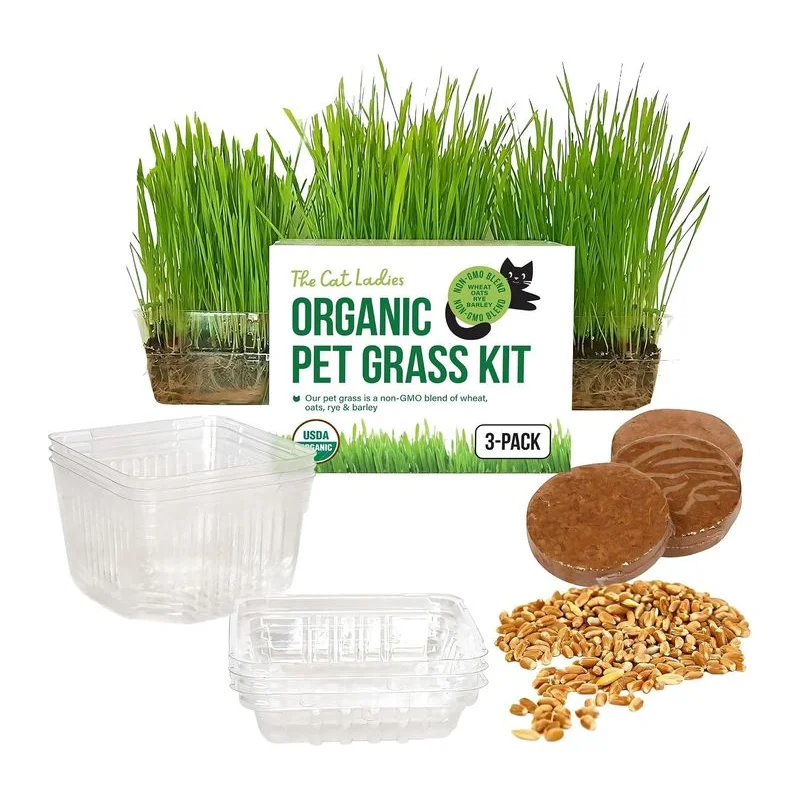
Best Cat Grass Kit
The Cat Ladies Organic Pet Grass Kit
Three BPA-free containers, three soil disks and three packets of an organic blend of wheat, oats, rye and barley, so you can start a new pot every week or so and always have one ready.
Buy on AmazonGive your cat something it can chew. Many cats like to nibble on plants, and young cats do it most. Cat grass, which is just young oats, wheat, barley or rye, gives them a safe target, so it’s a good first step if yours keeps attacking your plants. It won’t stop every cat, and it’s no reason to keep a dangerous plant within reach. The Cat Ladies kit is an easy way to start. Add water to a soil disk, sprinkle on the seeds, and you should have grass in about a week. Grass doesn’t last long, so sow a new batch every week or two.

Best Sturdy Cat Grass Planter
SmartCat Kitty's Garden
A wooden planter on a wide base, with organic oats, wheat, rye and barley to grow in it. Refills are sold separately.
Buy on AmazonIf your cat tips over light containers, SmartCat Kitty’s Garden has a wooden planter on a wider base, with the same four grasses.
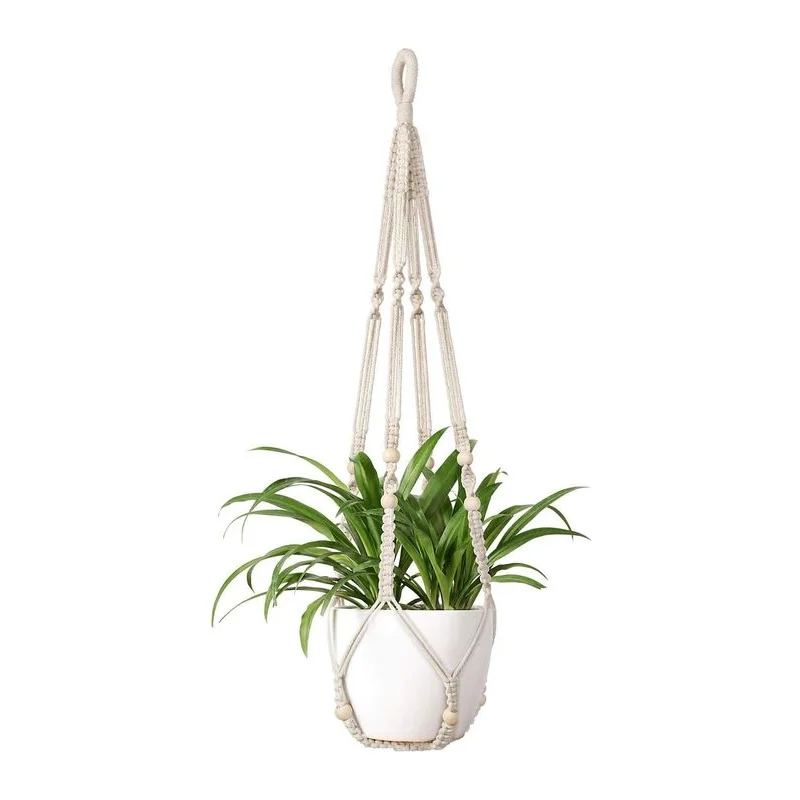
Best for Hanging Plants Out of Reach
Mkono Macrame Plant Hanger
A simple 35-inch cotton hanger with a loop at the top and four cords that hold a pot from below. The pot isn't included.
Buy on AmazonPut plants out of reach. Hanging is the most reliable option, because a shelf rarely stops a cat. The Mkono macrame hanger is 35 inches (89 cm) long, so a pot can hang well below the ceiling. Screw a hook into a ceiling joist, and check that there’s no shelf, curtain rail or cat tree for your cat to jump from. Trailing stems shouldn’t hang within reach, and remember to pick up fallen leaves. We’d only hang non-toxic or mildly toxic plants, and never lilies, since pollen and petals drop.
Make plants less interesting. Rotate toys, add a window perch with a view, and put a cat tree near your plants so there’s a better place to climb. Bored cats tend to find their own entertainment. Don’t use essential oils or citrus sprays as a deterrent, because many essential oils are themselves toxic to cats. Double-sided tape or foil on a shelf is a safer way to make a spot unappealing.
Close the door. If you can’t give up a toxic plant, a room that your cat can’t get into is the only real protection. Remember that cats open doors and sneak through them, so the plants that can kill are better left out of the house.
What to Do if Your Cat Eats a Toxic Plant
- Move your cat away from the plant, and remove any leaves or pollen from its mouth and fur if you can do so safely. Pollen on the coat should be wiped off, because it can be swallowed during grooming.
- Identify the plant. Take a photo, or take a piece of it with you. Note what your cat ate, how much and when.
- Call for help straight away, even if your cat seems fine. Phone your vet or nearest emergency clinic. In the US, you can also call ASPCA Animal Poison Control on (888) 426-4435 or Pet Poison Helpline on (855) 764-7661. Both may charge a fee.
- Don’t make your cat vomit or give it home remedies unless a vet tells you to.
- If it’s a lily or sago palm, go now. Don’t wait for symptoms, since treatment works best when it starts early.
Signs that something’s wrong include drooling, pawing at the mouth, vomiting, diarrhea, not eating, low energy, drinking or urinating more or less than usual, stumbling, and seizures.
Cat-Safe Houseplants in Short
Spider plants, ferns, true palms, calatheas, peperomias, hoyas, orchids, African violets and money trees are all good choices. Keep lilies and sago palms out of your home completely, and treat any contact as an emergency. Pothos, monstera, snake plant and dracaena aren’t usually deadly but can make a cat sick, so skip them or hang them well out of reach. Search the list above before you buy, give your cat some grass of its own, and keep your vet’s number handy. If you’re getting ready for a new cat, see our checklist of everything you need before adopting a cat.